Many homeowners don’t think about their plumbing system until something goes wrong. A leaking pipe, clogged drain, or unexpected water damage can quickly turn into an expensive repair. That’s why regular plumbing inspections are one of the smartest investments you can make in your home.
Whether you’re buying a new home, preparing for renovations, or simply staying proactive with maintenance, a plumbing inspection can help identify small issues before they become major problems.
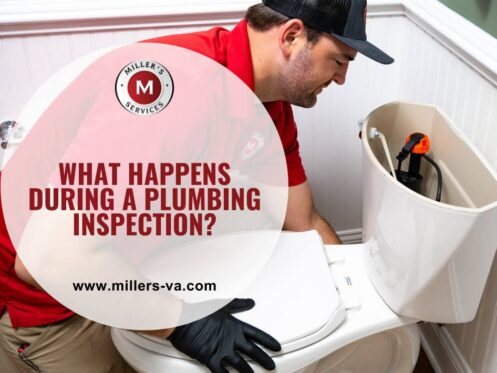
So what exactly happens during a plumbing inspection?
A plumbing inspection typically includes checking fixtures, pipes, drains, water pressure, water heaters, shut-off valves, and potential leaks to identify problems before they become costly repairs. A professional plumbing inspection helps homeowners in Williamsburg, Yorktown, Gloucester, Kilmarnock, and surrounding areas maintain a safe, efficient, and reliable plumbing system.
Why Plumbing Inspections Matter
Your plumbing system works behind walls, under floors, and throughout your property every day. Over time, pipes, fixtures, water heaters, and drains experience wear and tear that may not be immediately visible. A professional plumbing system inspection helps identify these issues before they lead to expensive repairs or water damage.
A professional plumbing inspection helps:
- Detect hidden leaks
- Prevent costly water damage
- Improve plumbing efficiency
- Extend the life of plumbing fixtures
- Identify safety concerns
- Reduce the risk of emergency repairs
Regular inspections can save homeowners thousands of dollars by catching problems early.
Visual Inspection of Plumbing Fixtures
The inspection typically begins with a thorough review of all visible plumbing fixtures throughout the home.
Your plumber will inspect:
- Faucets
- Sinks
- Toilets
- Showers and tubs
- Outdoor spigots
- Utility sinks
During this process, they look for:
- Leaks
- Corrosion
- Loose connections
- Water pressure issues
- Signs of water damage
Even a slow drip can waste hundreds of gallons of water each year and increase utility bills.
Checking Water Pressure
Proper water pressure is important for both comfort and plumbing system health.
If water pressure is too high, it can place unnecessary strain on pipes, fixtures, and appliances. If it’s too low, it may indicate underlying issues such as leaks, clogs, or pipe deterioration.
A plumbing professional will measure your home’s water pressure and determine whether adjustments or repairs are needed.
Inspecting Pipes for Leaks and Corrosion
One of the most important parts of a plumbing inspection is evaluating the condition of your pipes.
Plumbers look for:
- Visible leaks
- Corrosion
- Rust
- Mineral buildup
- Pipe damage
- Signs of aging infrastructure
Many older homes in Williamsburg, Yorktown, Gloucester, and Kilmarnock have aging plumbing systems that may be more susceptible to corrosion, hidden leaks, and pipe deterioration. A residential plumbing inspection can help identify these issues before they become major problems.
Evaluating Drains and Sewer Connections
Slow drains are often a warning sign of a larger issue.
During a plumbing inspection, your service expert may evaluate:
- Sink drains
- Shower drains
- Bathtub drains
- Main sewer connections
- Venting systems
They look for signs of:
- Blockages
- Root intrusion
- Drain buildup
- Improper drainage
Addressing drainage issues early helps prevent backups and potential sewer problems.
If concerns are identified, your plumber may recommend additional services such as professional drain cleaning or a sewer line inspection to further evaluate the condition of your plumbing system.
Water Heater Inspection
Your water heater is one of the hardest-working appliances in your home.
During an inspection, a plumber will examine:
- Tank condition
- Connections and valves
- Temperature settings
- Pressure relief valve
- Signs of corrosion or leaks
- Sediment buildup
Regular water heater inspections can improve efficiency, extend equipment life, and help prevent unexpected breakdowns. This portion of a home plumbing inspection is especially important because water heaters are often one of the most expensive plumbing components to replace.
Checking for Hidden Leaks
Not all leaks are easy to spot.
Professional plumbers know how to identify subtle signs of hidden water leaks, including:
- Water stains
- Mold growth
- Musty odors
- Soft drywall
- Increased water usage
Hidden leaks can cause extensive structural damage if left untreated. Early detection is one of the biggest benefits of routine inspections. In some cases, plumbers may recommend leak detection services if there are signs of water loss that cannot be identified during a standard plumbing inspection.
Inspecting Shut-Off Valves
In an emergency, shut-off valves can help minimize water damage.
During the inspection, plumbers ensure:
- Main shut-off valves operate properly
- Fixture shut-off valves are accessible
- Valves are free from corrosion
- Components can be turned on and off when needed
Many homeowners don’t realize a shut-off valve has failed until an emergency occurs.
Reviewing Plumbing Code Compliance
If your home has undergone renovations or additions, a plumbing inspection can help identify code-related concerns.
Your plumber may look for:
- Improper installations
- Outdated plumbing components
- Safety concerns
- Potential compliance issues
Keeping your plumbing system up to current standards helps protect your property and can be beneficial when selling your home.
Common Problems Found During Plumbing Inspections
A plumbing inspection checklist is designed to uncover both obvious and hidden issues that can affect your home’s plumbing performance. Every home is different, but some of the most common issues discovered during inspections include:
- Leaky faucets
- Running toilets
- Corroded pipes
- Water heater deterioration
- Drain clogs
- High water pressure
- Hidden leaks
- Faulty shut-off valves
- Sewer line concerns
Many of these issues can be repaired quickly and affordably when identified early.
How Often Should You Schedule a Plumbing Inspection?
Most homeowners should schedule a professional plumbing inspection at least once every one to two years to ensure their plumbing system remains safe, efficient, and free from developing issues.
You may benefit from more frequent inspections if:
- Your home is over 20 years old
- You have recurring plumbing problems
- You’re purchasing a home
- You’re planning a major renovation
- You notice changes in water pressure or water quality
Regular plumbing inspections can help identify developing issues before they lead to costly repairs or emergency service calls.
Schedule a Professional Plumbing Inspection with Miller’s Services
A professional plumbing inspection can help uncover hidden issues, improve efficiency, and give you confidence that your plumbing system is working as it should.
If you’re due for an inspection, the team at Miller’s Services is here to help homeowners throughout Williamsburg, Yorktown, Gloucester, Kilmarnock, and the surrounding areas.
Contact us today to schedule your plumbing inspection.
Frequently Asked Questions
How long does a plumbing inspection take?
Most residential plumbing inspections take between one and two hours, depending on the size of the home and the complexity of the plumbing system.
Is a plumbing inspection worth it?
Yes. A professional plumbing inspection can identify leaks, corrosion, drainage issues, and other problems before they become expensive repairs, helping homeowners save money and avoid unexpected plumbing emergencies.
Can a plumbing inspection detect hidden leaks?
Yes. Professional plumbers look for signs of hidden leaks and may use specialized equipment when necessary to locate water issues behind walls or under floors.
Should I get a plumbing inspection before buying a home?
Absolutely. A plumbing inspection can reveal issues that may not be visible during a standard home inspection, helping buyers make informed decisions.