
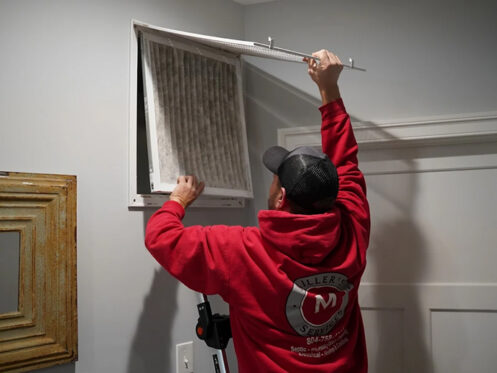
When the chill of winter settles in Virginia, we tend to spend more time indoors to stay warm and cozy. With homes sealed tight against the cold, the question comes to mind: Is indoor air quality worse during Virginia winters? Unfortunately, the answer is yes. The combination of closed windows, heating systems, and lower humidity levels can lead to an increase in indoor pollutants, such as dust, allergens, and volatile organic compounds. Understanding how the winter months affect indoor air quality (IAQ) and taking steps to improve it can have a significant impact on your comfort, safety, and overall well-being during the colder months.
What Affects Indoor Air Quality in Winter?
In the winter, we naturally seal our homes to keep warm air in and cold air out. While this helps with energy efficiency, it also traps pollutants indoors. Here are the common threats to indoor air quality during Virginia winters:
Increased Use of Heating Systems
Heating systems, especially older ones, can be a source of indoor air pollutants like dust, dirt, and allergens. If your furnace or heat pump hasn’t been properly maintained, it can distribute these particles throughout the home. Over time, the buildup of dust in your vents can cause a host of respiratory issues, particularly if you or family members have preexisting conditions like asthma.
Dry Air
Winter air tends to be much drier, and using heaters indoors exacerbates this dryness. Low humidity can lead to dry skin, irritated eyes, and discomfort in your nasal passages and throat. This dry air can also affect the lungs, making it harder to breathe deeply and exacerbating symptoms for those with asthma or other respiratory conditions.
Indoor Pollutants
With windows and doors shut tight, pollutants such as volatile organic compounds (VOCs) from household cleaners, paint, and furniture can become more concentrated indoors. Additionally, carbon monoxide from fireplaces or gas stoves poses a serious safety risk. Without proper ventilation, these substances can build up, leading to potential health hazards.
Mold and Mildew Growth
Despite the cold temperatures outside, Virginia’s winter can still present enough moisture indoors for mold and mildew to thrive—especially in basements, bathrooms, or kitchens with high humidity levels. Mold spores can aggravate allergies, lead to respiratory issues, and worsen asthma symptoms.
Allergens
Wintertime often means more time indoors with pets, carpeting, and bedding—all of which can collect dust, pet dander, and other allergens. Without proper ventilation, these particles can circulate throughout the home, leading to sneezing, coughing, and other allergic reactions.
The Importance of IAQ Testing
Indoor air quality testing is an essential tool for detecting pollutants in your home. While many of the threats listed above can be addressed with regular cleaning, maintenance, and the use of air purifiers, an IAQ test will give you an accurate picture of the pollutants affecting your indoor environment. Testing can identify hidden problems like high levels of VOCs, carbon monoxide, or mold growth that may not be immediately noticeable but can have a serious impact on your health and comfort.
IAQ testing can help you determine if the air in your home meets the recommended safety standards and give you peace of mind that your family is breathing clean, safe air.
Improving Your Indoor Air Quality This Winter
Fortunately, there are steps you can take to improve indoor air quality during the winter months:
Maintain Your Heating System
Schedule a professional inspection and cleaning for your furnace or heat pump. This ensures it’s running efficiently and not spreading dust and allergens.
Use a Humidifier
Adding moisture to the air helps alleviate dryness in your skin, eyes, and respiratory system.
Ventilate Your Home
Even in winter, it’s important to occasionally open windows and doors for fresh air to circulate, especially after cooking or cleaning.
Air Purifiers
Invest in air purifiers that can trap dust, pet dander, and other allergens.
Monitor Carbon Monoxide
Install CO detectors near your heating system and ensure your fireplace and gas appliances are vented properly.
By understanding and addressing the potential IAQ threats that come with winter in Virginia, you can keep your home safe, comfortable, and healthy all season long. Regular IAQ testing and proactive maintenance will help ensure the air you breathe is clean, fresh, and free of harmful pollutants.
If you are in the Gloucester, Mathews, Middlesex, Yorktown, Williamsburg, or Northern Neck areas and want to ensure your home’s air quality is safe and healthy, the professionals at Miller's Services are here to help. Our team is ready to assess your indoor air quality and recommend the best solutions to improve it.
Don’t wait—contact us today to schedule an IAQ test and breathe easier this winter!